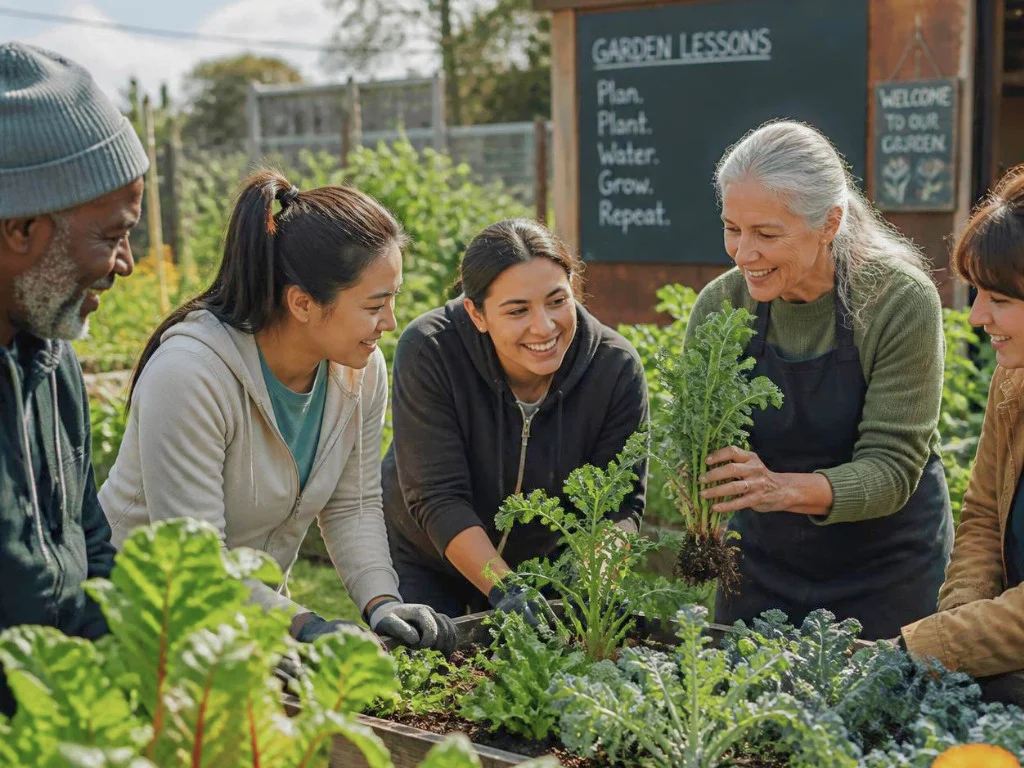
Recently, Craig’s Lawn Care had the opportunity to share gardening lessons with students at a local elementary school in Northern Virginia, where they learned how to plant sunflower seeds and explore the basics of plant care through hands-on activities. Experiences like these show that successful gardening often starts with simple, practical lessons that anyone can apply.
Whether you’re planting your first garden or looking for a better way to organize an existing one, having a clear plan can make all the difference. Without one, it’s easy to overcrowd garden beds, mix plants with different growing needs, or create a space that’s difficult to maintain throughout the season.
One of the most practical gardening lessons is learning that a simple plan often leads to better results. As home gardening continues to grow in popularity, with nearly 74% of U.S. adults participating in gardening, many gardeners are looking for easy-to-follow methods that remove the guesswork from planting.
The 5-4-3-2-1 gardening method offers exactly that, providing a straightforward framework for creating a productive, balanced garden that fits your space and lifestyle.

Why Many New Gardens Become Difficult to Manage
Many gardening challenges begin before the first seed is planted. A little planning and guidance from experienced gardening professionals when needed can help prevent common mistakes that lead to disappointing results.
Planting Too Much at Once
It’s tempting to grow every vegetable, herb, and flower that catches your attention. However, overcrowded gardens limit airflow and force plants to compete for sunlight, water, and nutrients, resulting in weaker growth, more disease, and smaller harvests.
Choosing Plants Without a Plan
Plants have different needs for sunlight, watering, soil, and spacing. Mixing incompatible plants can lead to uneven growth and a more complicated care routine, making the garden harder to maintain.
Forgetting About Garden Balance
A balanced garden includes vegetables, herbs, and flowers that support one another. Without this diversity, gardens may attract fewer pollinators, experience more pest problems, and produce lower yields.
What Is the 5 4 3 2 1 Method for Gardening?
The 5-4-3-2-1 gardening method is a simple planning strategy designed to help gardeners create organized, productive planting spaces without feeling overwhelmed. Rather than filling every available space, the method encourages selecting a balanced variety of plants.
The basic formula includes:
- 5 vegetables
- 4 herbs
- 3 fruiting plants
- 2 flowering plants
- 1 favorite or experimental plant
This structure creates variety while keeping the garden manageable. Vegetables provide everyday harvests, herbs add flavor and can deter certain pests, fruiting plants increase seasonal production, flowers attract pollinators, and one specialty plant allows room to try something new each season.
Popularized by Gardenary founder Nicole Burke, the method is especially helpful for raised beds, kitchen gardens, and smaller backyard spaces because it simplifies planning without limiting creativity.
Why the 5-4-3-2-1 Method Makes Planting Easier

The 5-4-3-2-1 method simplifies garden planning by providing a clear framework for selecting a balanced mix of plants. Instead of guessing what to grow, gardeners can follow an easy structure that makes decisions faster and more organized.
By encouraging plant diversity and proper spacing, the 5-4-3-2-1 method supports healthier growth while making gardens easier to maintain. It also helps attract pollinators, reduces overcrowding, and makes better use of the available growing space.
How to Build Your Garden
Putting the 5-4-3-2-1 method into practice doesn’t require a large yard or years of gardening experience. By following a few simple planning steps, you can create a garden that’s easier to maintain, supports healthy plant growth, and provides a steady harvest throughout the season.
Step 1: Choose Plants You’ll Actually Use
Start by selecting vegetables, herbs, fruits, and flowers that suit your cooking habits, preferences, and local climate. Focusing on plants you’ll regularly harvest reduces waste and makes your garden more rewarding.
Step 2: Group Plants With Similar Growing Needs
Choose plants that require similar amounts of sunlight, water, and soil conditions. Grouping compatible plants simplifies watering and maintenance while helping each plant thrive in the same growing environment.
Step 3: Arrange Plants for Sunlight and Accessibility
Position taller plants where they won’t block sunlight from shorter crops, such as along the back or center of a garden bed. Keep herbs and frequently harvested plants near the edges so they’re easy to reach for routine care and harvesting.
Step 4: Give Plants Enough Space to Grow
Plan for each plant’s mature size instead of its size at planting. Proper spacing improves airflow, reduces competition for water and nutrients, and makes it easier to weed, prune, and harvest as your garden grows.
Is This Method Right for Every Gardener?
The beauty of the 5-4-3-2-1 method is its flexibility. Beginners appreciate its straightforward structure, while experienced gardeners can customize the formula to suit their favorite crops, available space, and local growing conditions.
The method works particularly well for homeowners with raised beds, kitchen gardens, or limited planting areas, but larger gardens can also benefit by using the framework across multiple beds.
Final Thoughts
Successful gardening begins with a thoughtful plan, and the 5-4-3-2-1 method makes that process simple and approachable. By choosing a balanced mix of plants, grouping those with similar growing needs, and allowing enough space for healthy growth, you can create a garden that’s easier to maintain and more enjoyable throughout the season.
Whether teaching elementary students how to grow sunflowers or helping homeowners create healthier landscapes, Craig’s Lawn Care believes gardening starts with practical knowledge and thoughtful planning. If you’re looking to create a healthier, more productive landscape, our team can help. Whether you’re starting your first garden or maintaining an established landscape, contact us today for expert lawn care, landscape maintenance, and gardening guidance tailored to your property.